|
|
|
|
Newsletter
September 2026
|
|
|
|
|
Coming up this month: Reefclean
|
|
|
Meet at the end of Allan Rd, we will go on to Wilson's Beach afterwards.
|
|
Tuesday 8th September 9am
|
|
Don River mouth & Queen's Beach Bowen
|
Meet at the carpark at the far end of Queen's Beach Esplanade, Don river Mouth.
|
|
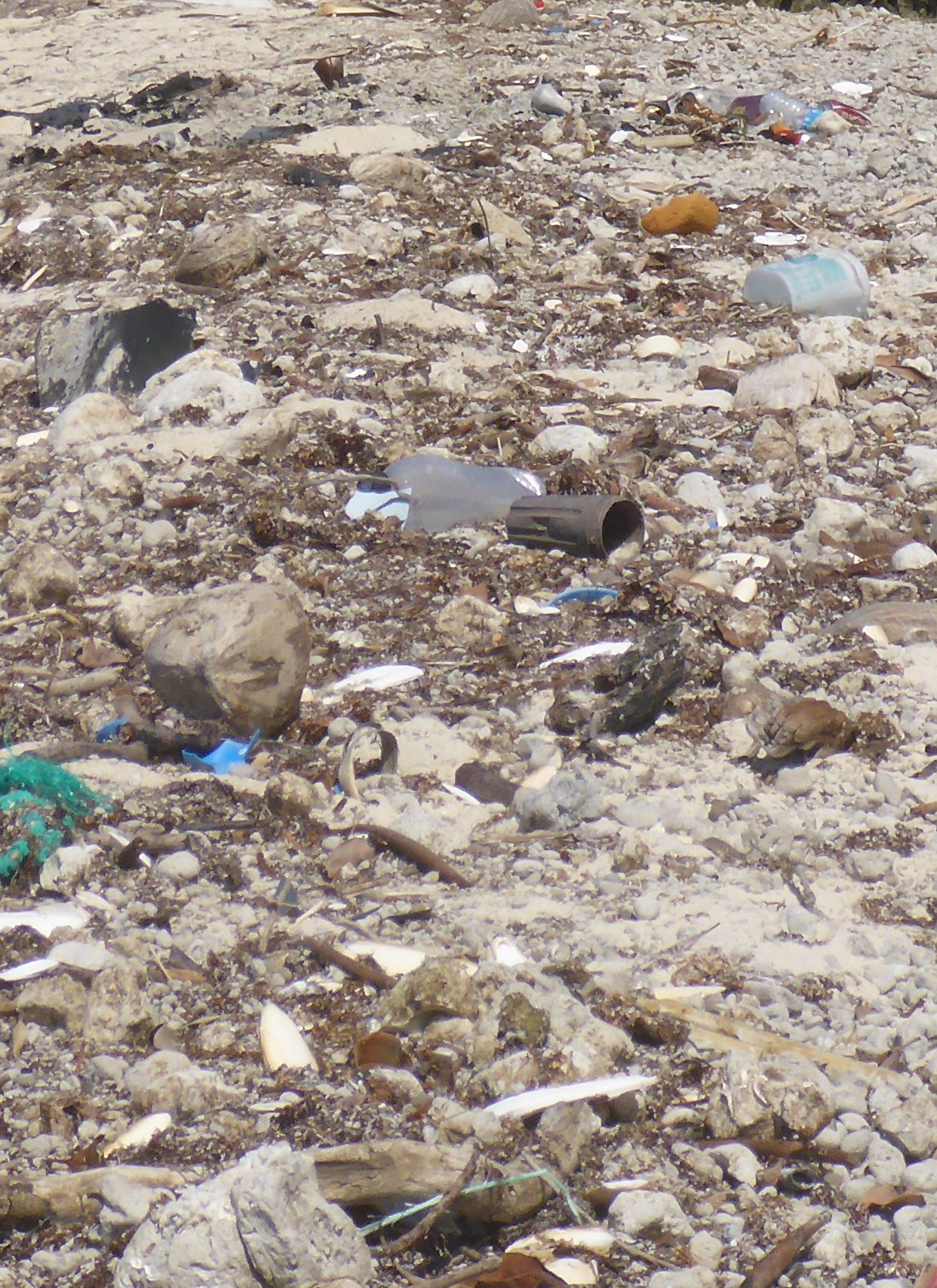
Setting up transects to monitor marine debris & a beach clean up.
|
|
As with all of our activities, please wear enclosed shoes and sun-smart clothing, & bring a water bottle.
|
|
|
|
|
|
|
|
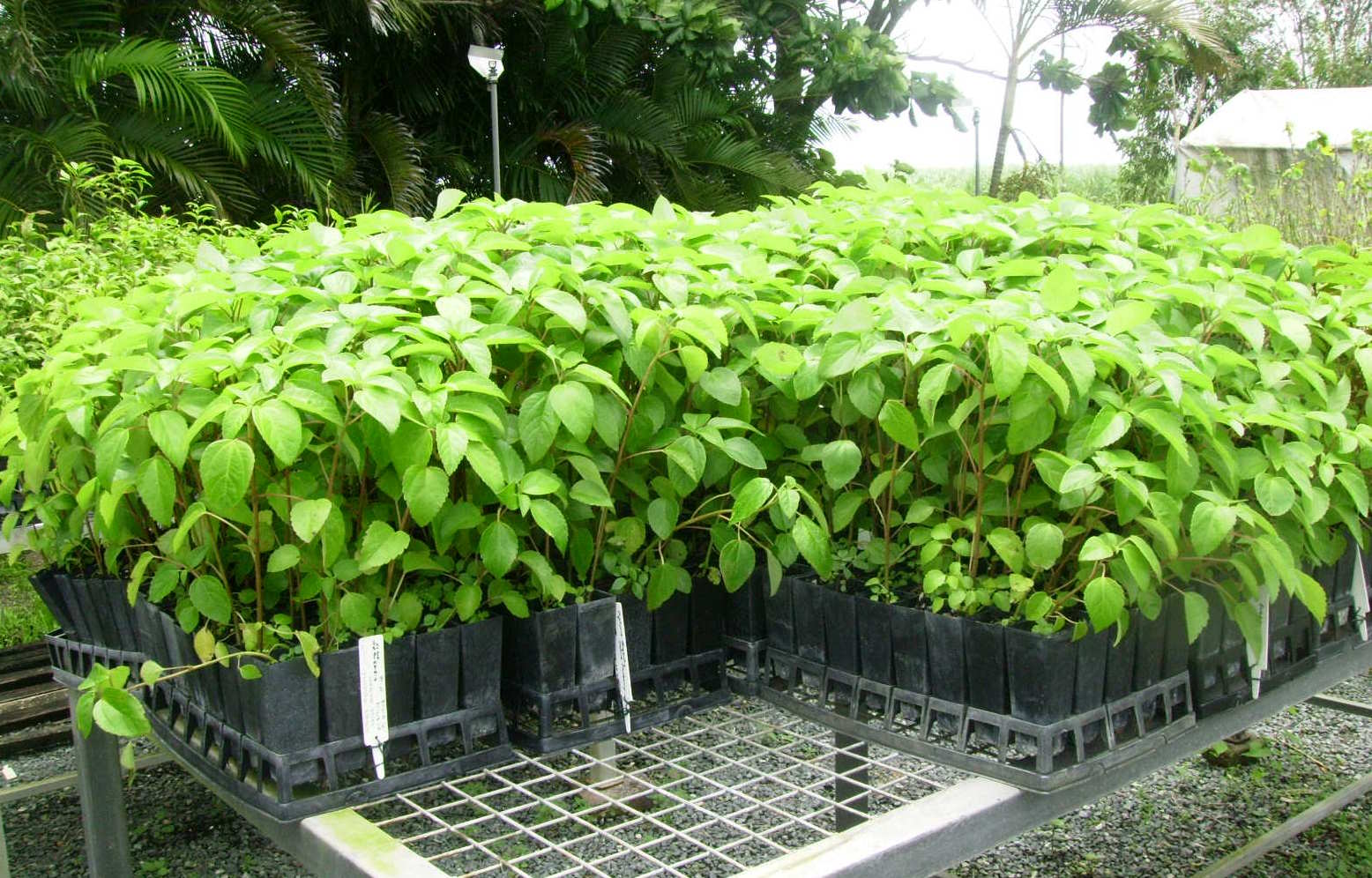
Nursery open Saturday 5th and 19th of September.
|
|
|
Where: 33 Kelsey Creek Rd Proserpine
|
When: 9am to 12 noon Tuesday & Thursday, & 1st & 3rd Saturday each month.
|
|
What: A huge range of local native plants grown from locally collected seed, at great prices from $3.50. EFTPOS available. Gift vouchers available for a gardener you know. Knowledgeable staff & volunteers are on hand for friendly advice.
|
|
|
|
|
|
Nursery Volunteer activities
|
Where: 33 Kelsey Creek Rd Proserpine
|
When: Tuesday & Thursday mornings 9am to 12 noon.
|
|
What: Plant propagation, native seed sowing & preparation, nursery maintenance tasks, plant propagation and a great morning tea with a fantastic bunch of volunteers.
|
|
Please wear sun protection and closed-in shoes.
|
|
|
|
|
|
What on earth does recycled glass have to do with fertiliser?
|
|
|

|
|
Photo: ABC News Che Chorley
|
|
|
Glass is an amazing material which is able to be endlessly recycled into new products. While some countries have almost 100% recovery of glass in their recycling systems, Australia still lags behind at less than 80%, with the remainder going to landfill. We still have massive amounts of glass feedstock to recycle; container recovery programs like 'Containers For Change' have improved glass recovery by separating the glass from potential breakage and contamination in transit. Australia produces about 1 million tonnes of post-consumer glass per year, but what on earth does that have to do with fertiliser?
|
|
|
If you saw a recent episode of ABC's Landline program, you will know the answer. In Hawaii in the 1920s, it was accidentally discovered that adding silica to soil increased plant health and growth rates. This long neglected discovery has been brought back into focus by the urea shortages brought about by the war in the Middle East. Over 50% of all urea used in Australian agriculture comes from the Middle East, and it is now in short supply, and expensive. Agronomist David Archer has founded a new business, Silmax, to make a local ground-glass product that can help to overcome the urea shortage.
|
|
|
Silica is the second most abundant element on earth; it is also a beneficial element which helps plants to deal with abiotic and biotic stresses, and helps them to uptake nutrients. Most silica in the soil occurs as crystalline silicon, which is not available for plant uptake. Whatever plant-available silica is present is progressively removed as each crop is harvested; if it is not replenished, the result is a deficit of plant-available silica, something which is common in agricultural soils worldwide.
|
|
|
The glass used in packaging, (think drinks, foods, and window glass) is soda-lime glass. It's made from calcium, sodium carbonate and amorphous (“non-crystalline”) silicon. Most glass for recycling comes from container deposit schemes, like our local Containers For Change. Ground into a fine powder (5 microns), it can be sprayed as a water-based suspension. When applied to soil, the plant-available silica enhances uptake of fertilisers from the soil. It is not a fertiliser itself, but acts as an effective bio-stimulant that increases plant growth, crop yield and promotes plant resistance to pests, diseases and environmental stressors such as heat, cold or dryness.
|
|
|
The biology behind this is that silica is an important building material for plant cell walls, and some defensive structures, such as hairs on grasses: with readily available silica, plants can grow stronger and faster, and have better defenses against pests, diseases and environmental stress. Available silica in the soil also increases the activity of nitrogen fixing bacteria, adding to soil health & nutrient availability.
|
|
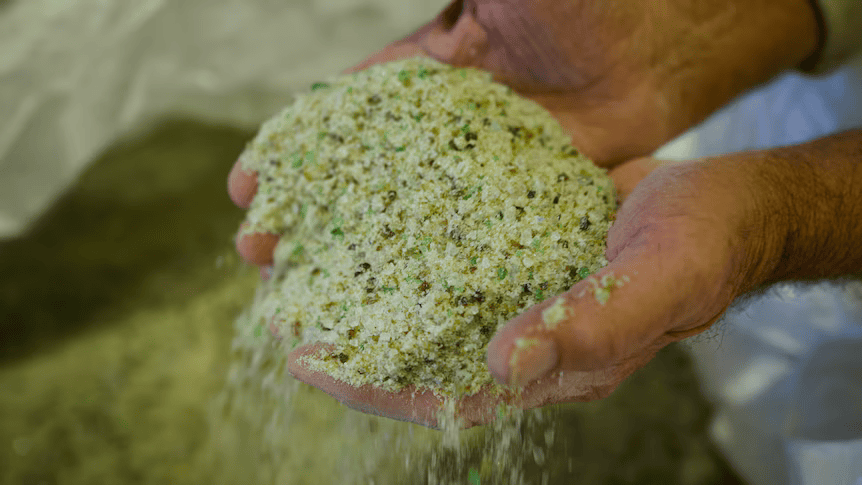
|
|
Photo: ABC Landline Cameron Lang
|
|
|
|
|
The chemistry part of the story is more complicated. Most soils already contain significant quantities of stored phosphate and other plant nutrients, but they are bound by ions of naturally occurring elements such as aluminium and iron, preventing the plants from getting access to it. When the ground silica is added to soil, it preferentially binds to these ions, freeing up pre-existing fertilisers and making them available to the plants for growth. It also prevents freshly-added fertilisers from being bound up. Field trials indicate that added silicon improves plant uptake of nitrogen, phosphorus and potassium (NPK) by enhancing root architecture and soil pH balance. It doesn't replace NPK fertilisers, but it enhances fertiliser availability and uptake, so that less is needed, and what is applied is better absorbed by the plants.
|
|
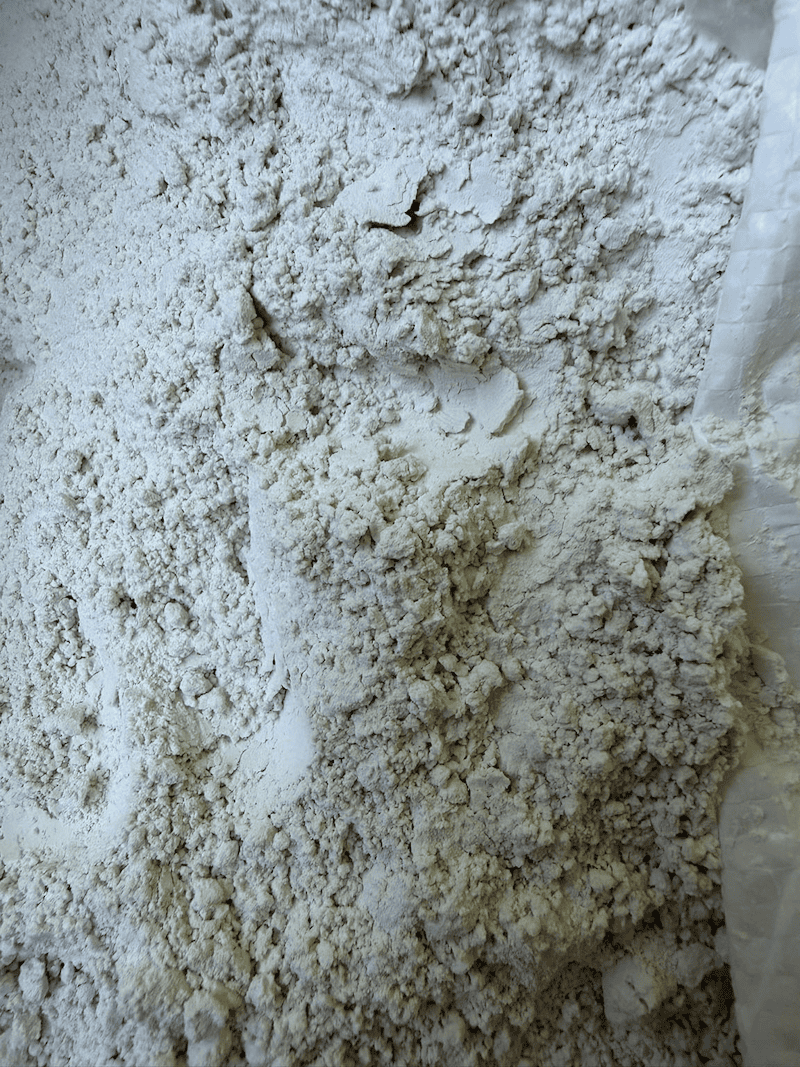
|
|
The powdered silica plant bio-stimulant product.
|
|
|
Based on the results of the trials so far, applying around 50-100kgs of ground silica per hectare on most soil types results in increased crop yields of up to 30%. The trials so far have included broad-acre cereals, fruit and vegetable crops, larger crops such as sugar cane, and tree crops such as citrus and avocado. It is also being trialled in pasture for beef and dairy cattle, and as a compost additive, with farmers in Victoria reporting growth improvements year on year, with 30% less fertiliser input. In the trials, growers have been able to reduce phosphate application by up to 40% without affecting yields. It can also be used to remediate degraded soils.
|
|
|
This is a product that can be locally produced; the supply of used glass is readily available right across Australia. There are plans to to have more mobile processing plants built this year, which they plan to operate in most capital cities and regularly visit regional areas to process local glass stockpiles.
|
|
|
If it is as good as they say it is great news for farmers, but the marine biologist and reef-lover in me sees another huge benefit. Less fertiliser needs to be applied, and more can be absorbed by plants. If this means less nutrients lost to runoff, healthier waterways and better marine water quality, it has to be a win-win. We can all drink to that, but make sure your empties go to Containers For Change, you'll get a lot more than just your 10 cents back!
|
|

|
|
Don't forget that you can donate your container refund to Whitsunday Catchment Landcare. Member number: C10053139
|
|
|
|
|
|
Ant-mimic Jumping Spider: Story & photos by Tony Vernon
|
|
The best mimic yet! While photographing black Valentine Ants,(Crematogaster laeviceps) tending their mealy bug flocks, I stumbled upon something special. Perched on the foliage nearby was the most perfect mimic Jumping Spider I have seen thus far. A dead ringer for size, shape and behavior, of the Black Valentine Ant. The small spider (3mm in length), was holding its first pair of legs up and bent outwards exactly like ant antennae. These legs were moved in a manner remarkably like the antennae of a questing ant. To further the illusion the pedipalps (spider mouth appendages) were pulled back over the fang bases, to resemble the short, stout jaws of an ant. The absolute cherry on top, is the surface texture of the spider’s body. When someone says “spider”, "Hairy" is one of the adjectives that first springs to mind. Not in this case. The abdomen shines with a gloss finish, exactly matching that of the ants. Cannot wait to see what else I can find.
|
|
|
|
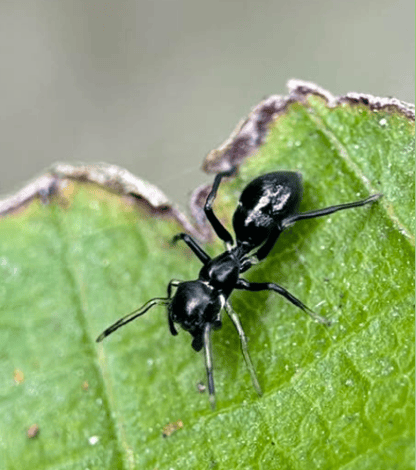
|
|
The black ant-mimic Jumping Spider.
|
|
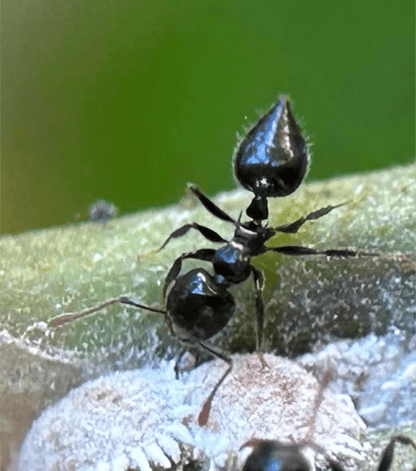
|
|
Black Valentine Ant, Crematogaster laeviceps
|
|
|
|
|
|
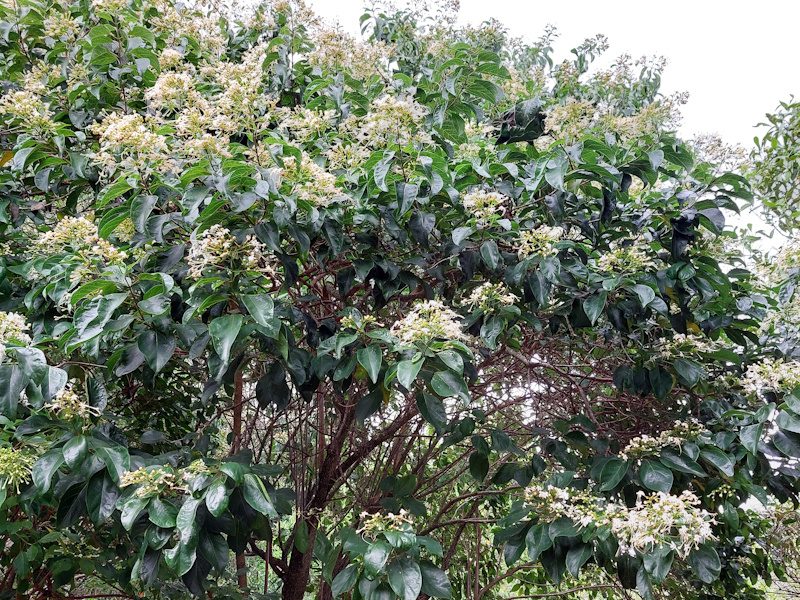
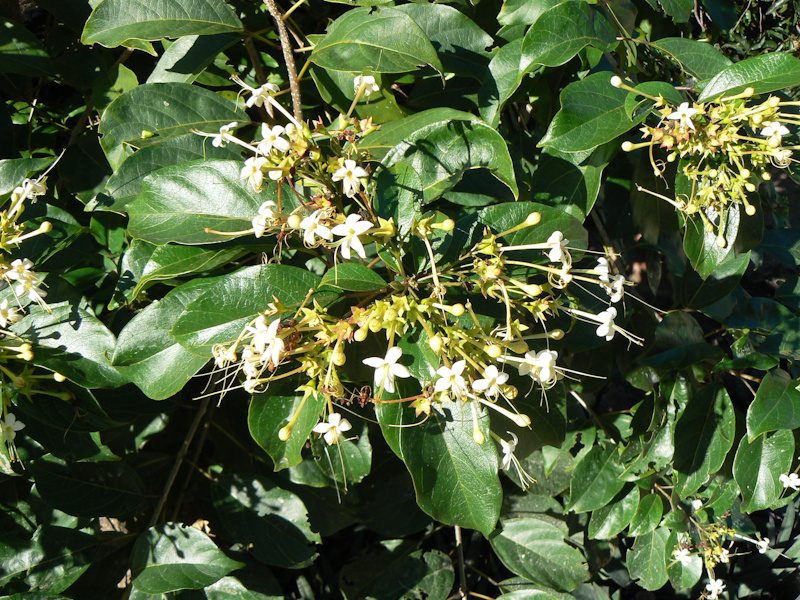
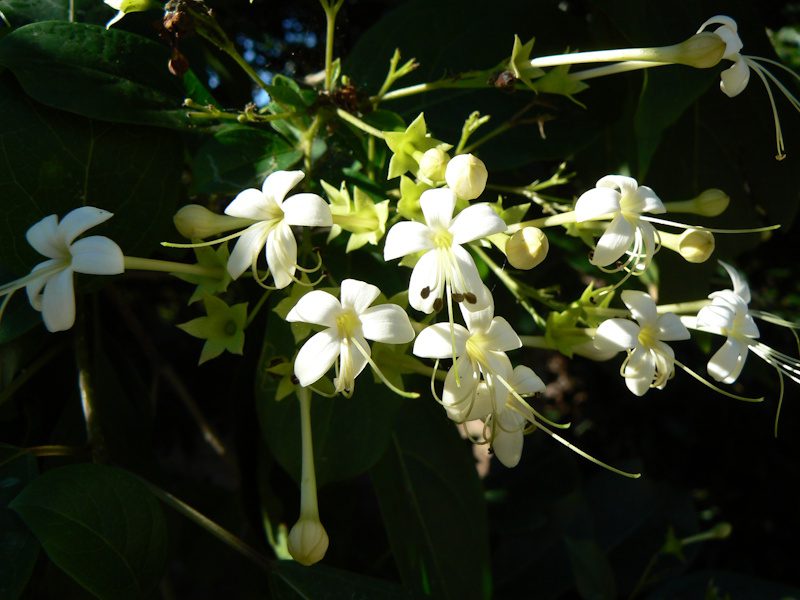
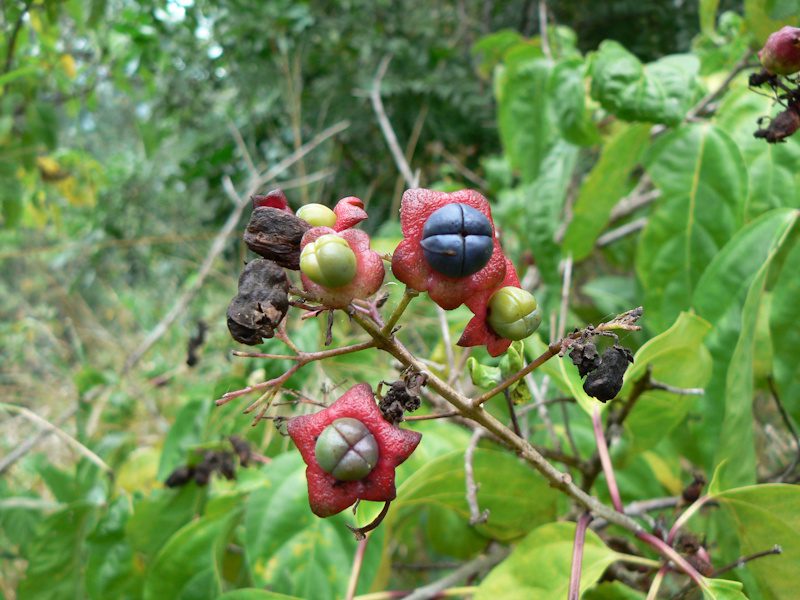
What's showing:Clerodendron floribundum
|
|
|
Description: A small slender tree 3-5m tall with furrowed, light grey bark. It can take a conical form when growing in the open.
|
Distribution: Queensland, Northern Territory and NSW south to Taree, along streams and in open forests.
|
Leaves: Opposite, egg-shaped, rounded at the base, smooth, on a long stalk, 6-17cm x 3-13cm.
|
Flowers: Numerous, borne in upper leaf axils, white 0.8cm diameter, about 3cm long, tubular corolla with with 5 lobes and 2.5cm long protruding stamens. Can be attacked by insects, resulting in somewhat globular flowers with attached stamens, which produce no fruit.
|
Fruit: A drupe about 1cm across, shiny black when ripe, with 4 lobes each containing one seed, surrounded by a star-shaped calyx which turns scarlet at maturity.
|
|
Uses: Aborigines used a decoction of the leaves and bark to treat aches and pains. The name 'lolly bush' may just refer to the colourful fruits looking like lollies: they are not edible for humans, although many birds do eat them.
|
|
The wood is a pale yellowish brown in colour, close-grained, soft, and easy to work. It shrinks fairly evenly when air dried. It machines very nicely, sands well, and takes a good finish if a sanding sealer is used. Indigenous people used it for making fire sticks and pipes.
|
The leaves are eaten by the colourful caterpillars of the moth Coenotes eremophilae.
|
|
Notes: Can be pruned to shape. Damaged or exposed roots will produce root suckers which can be used to propagate new plants.
|
|
|
What’s in a Name? The name Clerodendron comes from two Greek words, kléros, meaning fate or chance, and dendron, a tree. It may be due to the uncertain medicinal qualities attributed to some plants in the genus, or it may be that these trees were once in a species named Fortunata. Floribundum simply means ‘flower-bearing’.
|
|
|
Across the Top: Gardening With Australian Plants in the Tropics, Compiled by Keith Townsend for SGAP Townsville, 1994.
|
|
|
|
|
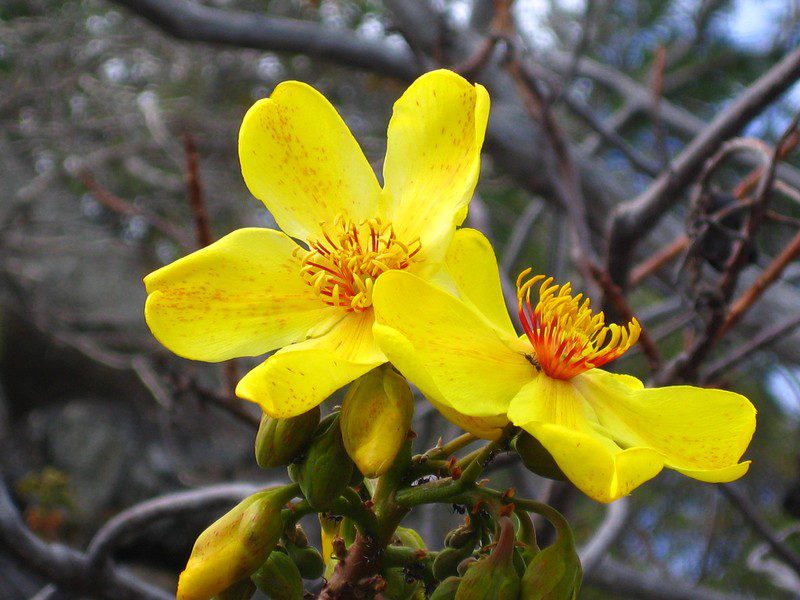
Tree form flowering now in Bicentennial Park. PHOTO: JS
|
|
|
|
Falcate phyllodes and yellow flower spikes.
|
|
|
|
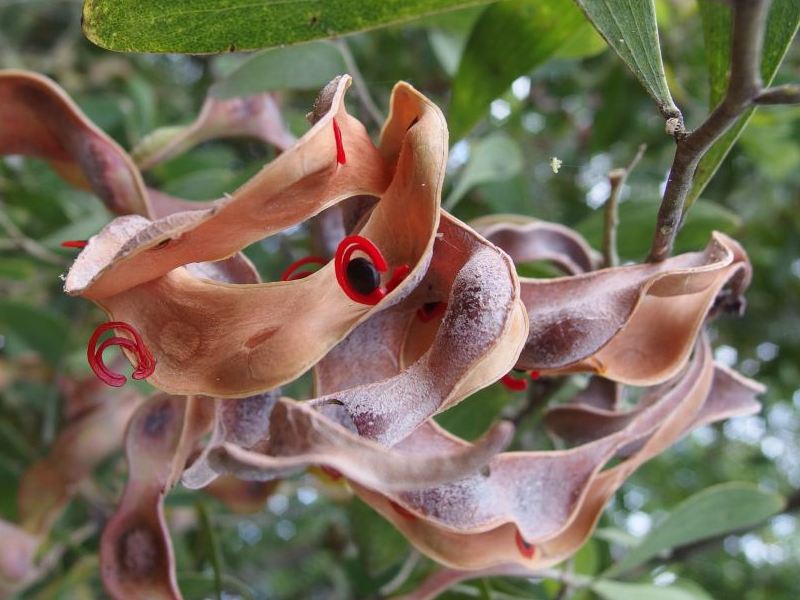
Leaves, seed pods, seeds and orange funicles.
|
|
|
|
|
|
Weed hall of fame: Leucas lavandulifolia prev. linifolia
|
|
|
Origin: Southeast Asia, India to Papua New Guinea
|
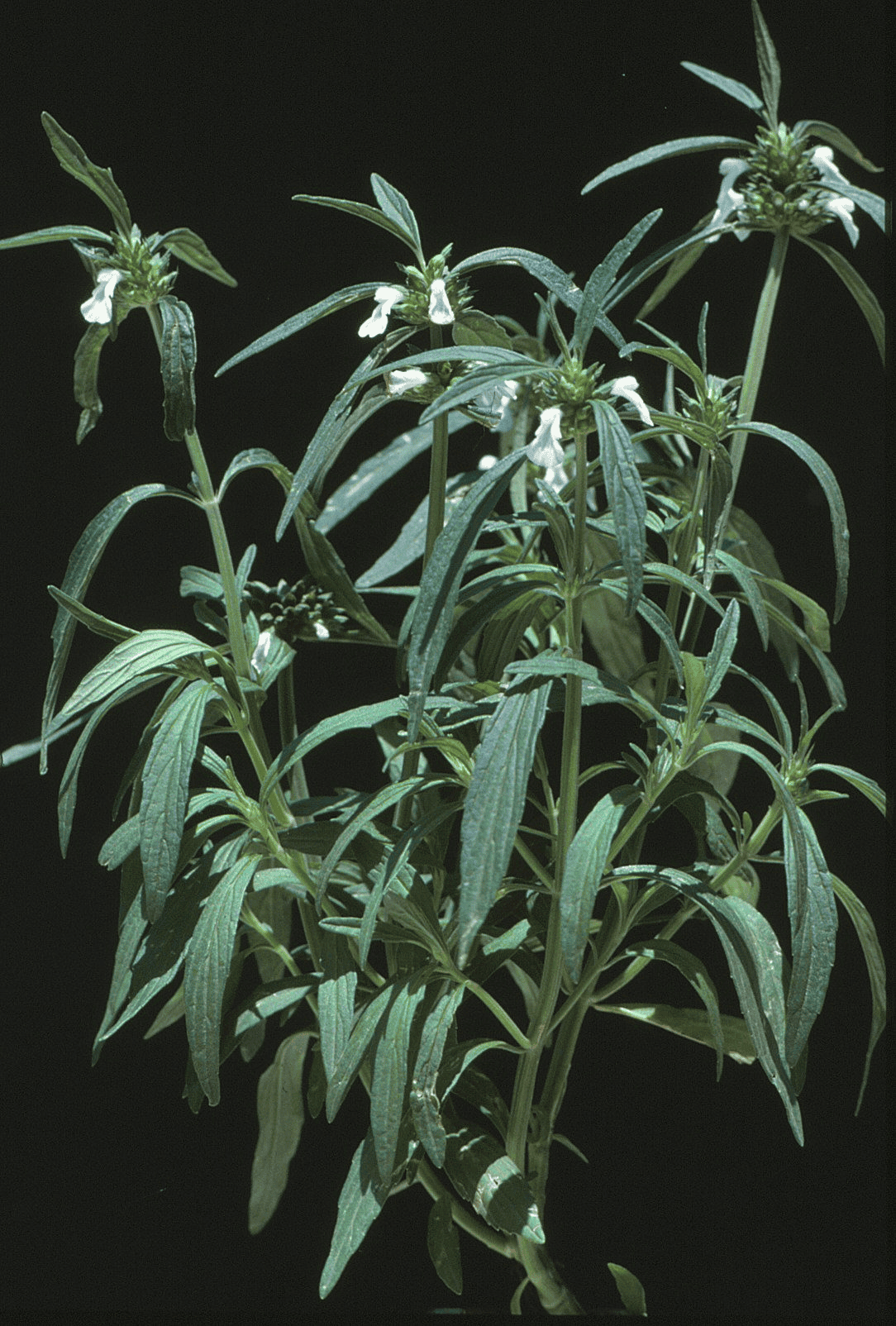
Description: Erect aromatic annual herb 0.3 to 0.8m tall, with square stems. Stems and branches covered in soft short hairs.
|
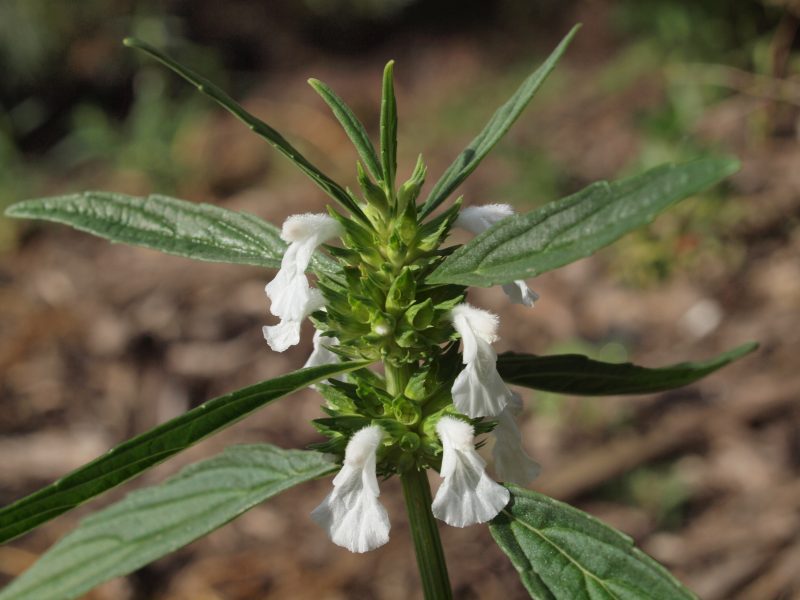
Leaves: Opposite, simple, long and narrow, widest below the middle, 30-80 x 3-15mm, more or less hairy on both surfaces, margins with a few shallow teeth.
|
Flowers: White, two-lipped, about 10mm long, upper lip furry, lower lip spreading, borne in dense axillary clusters.
|
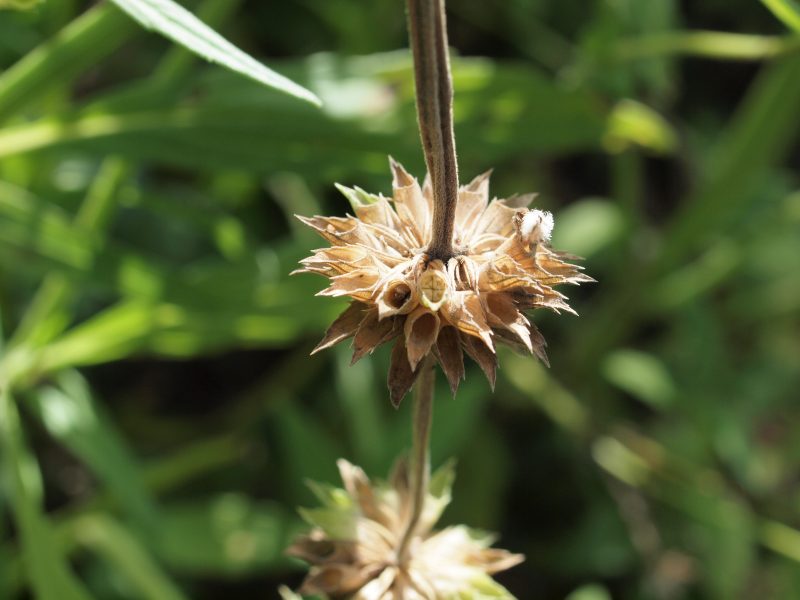
Fruit: Four smooth oblong-angular nutlets, about 3 x 1mm, contained within an 8-9mm long tubular, curved calyx, the mouth oblique with 7-10 teeth of unequal length, hairless, or with very short hairs.
|
Spread by: Contaminated soil.
|
Invades: Wet areas, creek banks, wetlands, disturbed areas, coastal zones.
|
Can form extensive, monocultural infestations that suppress the growth of native species. Numerous occurrences within our district, suspected of poisoning cattle.
|
|
|
|
|
|
|
Leucas lavandulifolia whole plant.
|
|
PHOTO: Central Qld Landcare Network
|
|
|
|
Flowers and leaves. PHOTO: CP
|
|
|
From the Greek leukos, meaning white, after the white flowers.
|
|
Lavandulifolia: With leaves similar to the Genus Lavandula (Lavender).
|
|
|
|
|
Successful weed control relies on follow up after the initial efforts. This means looking for and killing regrowth or new seedlings. Using a combination of control methods is usually more successful than just one. Many weeds will have a 'seed bank'; seeds that last several years in the soil, so try to minimise 'deposits' (new seeds) and maximise 'withdrawals' (weed removal) so that over time less new seedlings will appear.
|
|
|
Hand-pull individual plants, particularly when soil is moist. Remove whole plant including roots, consider applying mulch to discourage regrowth. Bag and remove, dispose of in landfill if seed heads are present.
|
|
|
Follow up: monitor treated areas regularly for any new seedlings or regrowth.
|
|
|
|
|
Weeds of the Mackay-Whitsunday Region, Mackay Regional Pest Management Group, 2013.
|
|
|
|
|
|
|
|
|
|
|
|
How you can help:
|
If you're interested in doing your bit for the local
environment and socialising with like‐minded people, we have volunteer activities on Tuesday & Thursday mornings, and more. Contact us!
|
|
|
|
WCL is a community not‐for‐profit. We rely on donations to assist with our projects.
|
WCL is registered charity; donations of $2 or more
are tax deductible.
|
To donate, please contact us or go to the
|
|
|
|
|

|
CONTACT
CONTACT US FOR INFORMATION ON
|
- Natural Resource Management
- Land Management Plans
- Native Plants
- Environmental Weeds
- Volunteer Activities
|
WCL TEAM
All part-time.
Coordinator & Secretary: Christine Peterson
Admin/Finance: Leigh Donkers
Nursery Manager: Nicole Murphy
|
Field Staff: Kayla Simpson, Denise Hemingway
|
Management Committee:
Jacquie Sheils, Chair & Newsletter Editor
Jim Dickens, Treasurer and Forest Guy
Dale Mengel
John Casey
Bill Blair, Canegrowers Proserpine
|
|

|
|
|
Thank you to our supporters:
|
|
|
|
|
|
|
|
|
|
|
|
|
|